Do You Need Council Approval for a Bathroom Renovation in Sydney? A 2026 Guide
Most Sydney homeowners planning a bathroom renovation in Sydney assume they'll need to deal with council at some point, and most are wrong. If you're swapping out an old shower, retiling, and putting in a new vanity in the same footprint, chances are you can start on Monday without lodging anything at all. But the moment you move a wall, relocate the drain, or you're renovating a unit in a strata building in Randwick or Bondi, the rules change fast, and getting them wrong can cost you a lot more than the renovation itself.
This guide walks through when you actually need approval, what a Complying Development Certificate is versus a full Development Application, and why waterproofing sign-off matters more than most tradies let on.
When You Can Skip Council Altogether
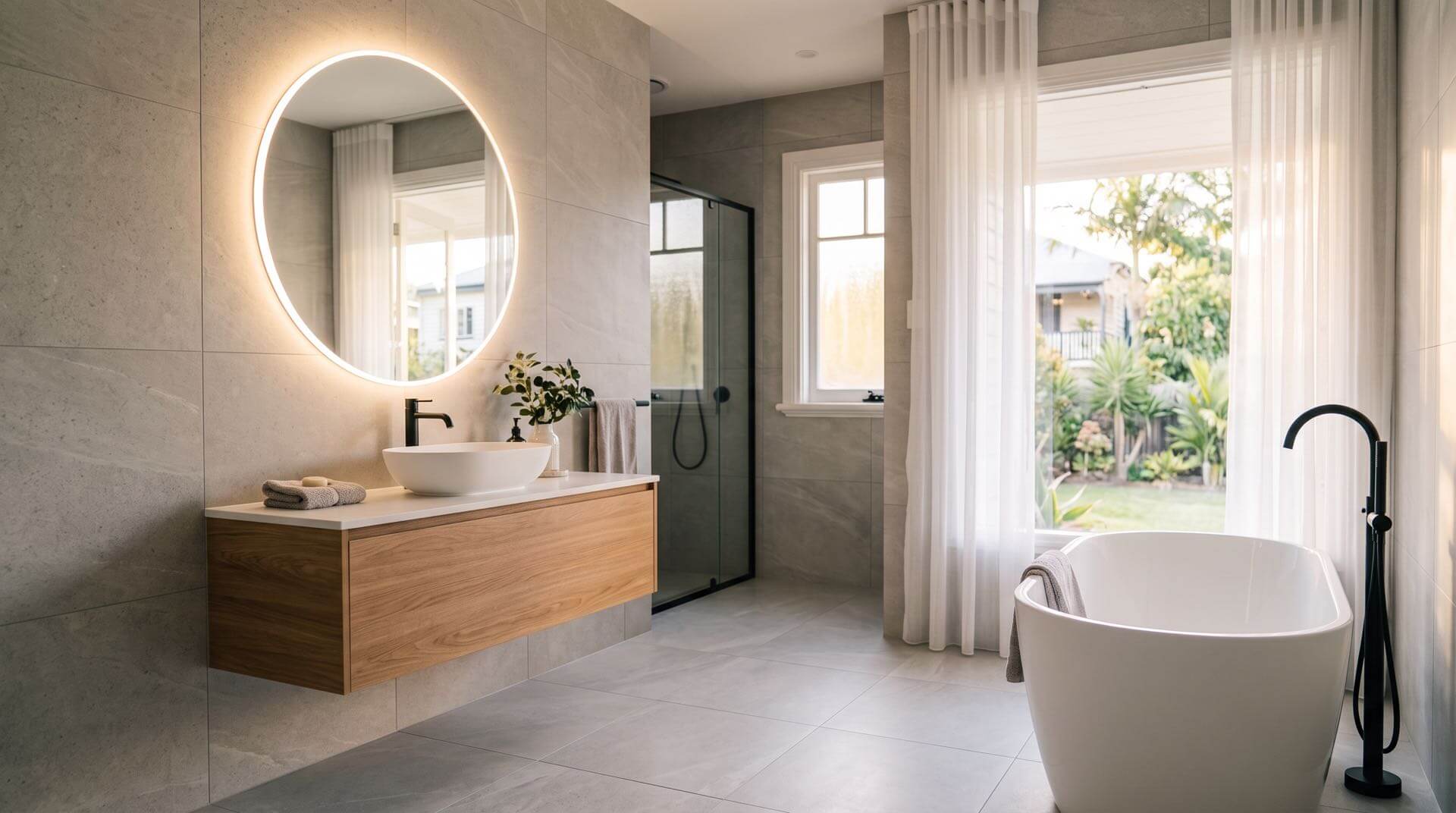
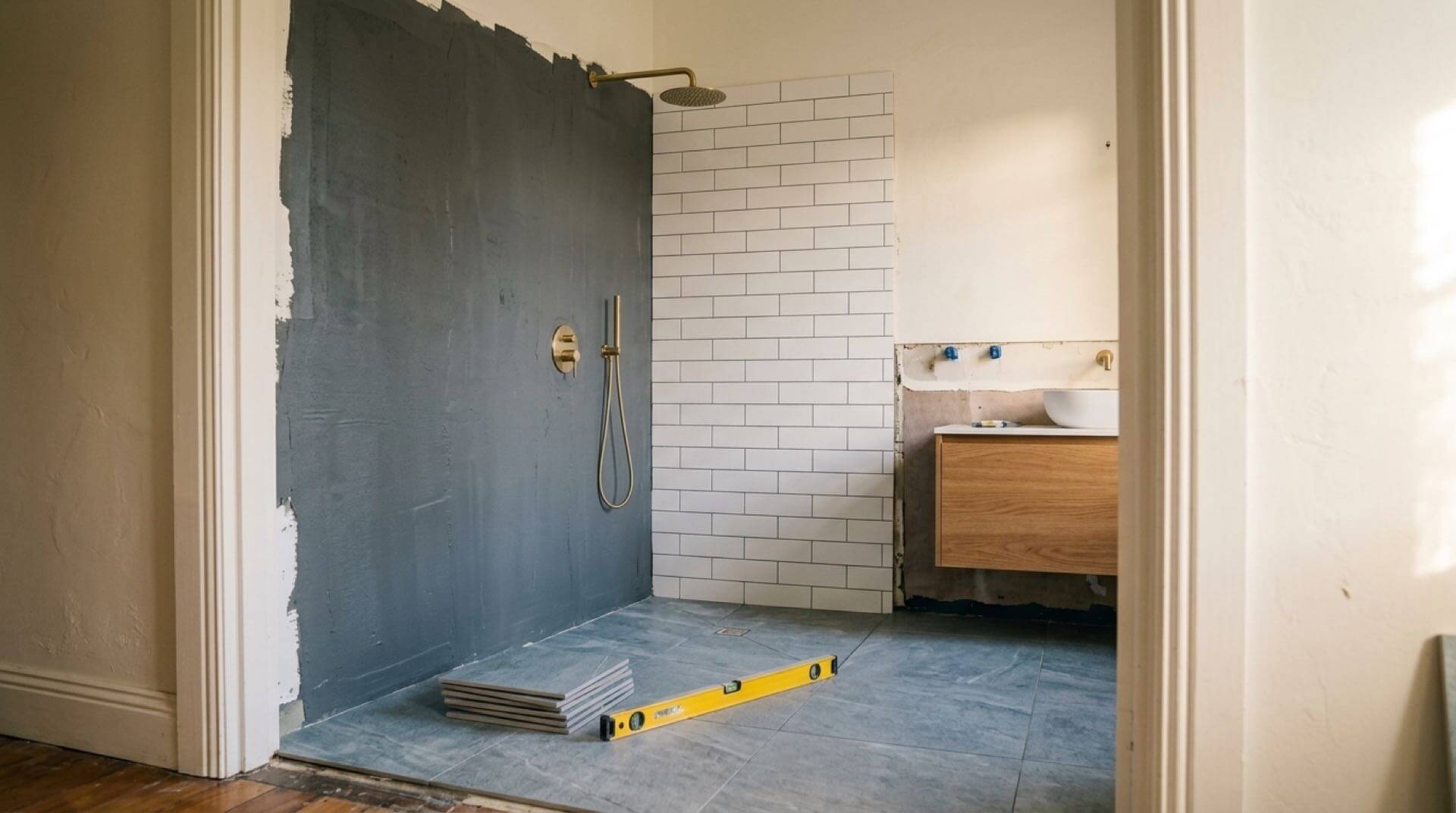
Under NSW's exempt development rules, a straightforward like-for-like renovation doesn't need council involvement. That covers replacing a toilet, basin, bath or shower in roughly the same spot, retiling the floor and walls, putting in new cabinetry, swapping tapware, and repainting. This is the bulk of the work homeowners in suburbs across our Sydney service areas are doing when they contact a renovator for a standard bathroom renovation.
The line gets crossed the moment the plumbing moves. Relocating a toilet to the other side of the room, converting a bath-only bathroom into one with a separate shower recess, or turning a linen cupboard into a second ensuite renovation all change the drainage layout, and that's a different conversation with council.
Complying Development vs a Full DA
If your bathroom renovation Sydney project does trigger an approval requirement, you've usually got two paths. A Complying Development Certificate (CDC) is assessed by a private certifier rather than the council itself, doesn't require notifying neighbours, and typically comes back within about ten business days if your plans meet the relevant standards. It's the faster, cheaper route for most straightforward layout changes.
A full Development Application (DA) goes to the council planning team directly. For a routine renovation this usually takes around 40 days, but heritage-listed homes (and there are plenty scattered through Paddington, Balmain and Rozelle) or anything touching a building's structure can run much longer, especially for complex custom bathroom designs. If you're not sure which pathway your project falls under, that's worth confirming with your certifier before you sign a contract with a renovator, not after.
Strata Owners: Don't Skip This Step
If you own an apartment, the council isn't necessarily your first hurdle. Written approval from the owners corporation is required before bathroom work begins, no matter how small the scope looks on paper. Wet area work and any change to waterproofing will almost always need a by-law variation or a special resolution passed at a general meeting, and that process alone can take weeks if your strata committee doesn't meet often. Homeowners in older art deco blocks around Coogee and Kings Cross run into this constantly, because the original waterproofing membranes in these buildings are decades past their design life and any real renovation means redoing them properly.
Waterproofing: The Part That Actually Gets Renovations Rejected
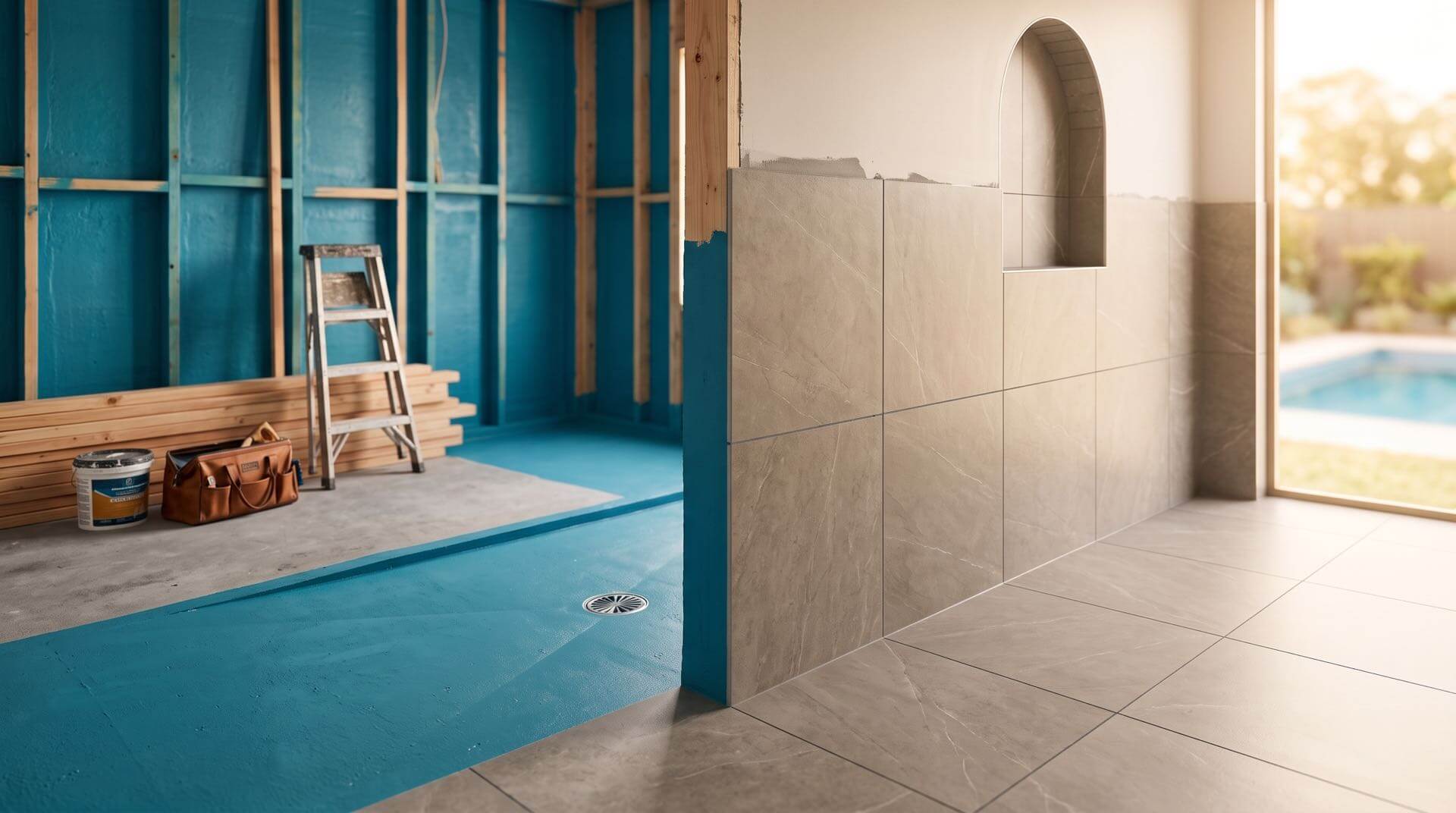
Waterproofing is governed by AS 3740, and it's the single most common thing that fails inspection on a Sydney bathroom job. The standard requires shower walls to be waterproofed to a minimum height of 1800mm, with the membrane turning up at least 150mm around the rest of the bathroom floor and behind fittings like vanities and baths. Pipe penetrations, drain fixtures and door thresholds all need coverage too, and it needs to be done by a licensed contractor, not whoever's cheapest on the day.
For any project over $500 in value, you're entitled to a waterproofing certificate, and you should ask for one regardless of what a tradie tells you. It should list the contractor's licence details, the membrane product used, the installation date, and a statement of compliance with AS 3740. Expect to pay somewhere between $700 and $1,300 for compliant waterproofing on a standard Sydney bathroom, depending on the size of the room and what's underneath the existing tiles. (Take a look at our breakdown of how much a bathroom renovation really costs in Sydney for more on hidden line items). Skipping this or accepting a verbal assurance is how homeowners end up with water tracking into a downstairs ceiling eighteen months later, and it's an expensive argument to have with a builder who's long since moved on to the next job.
Licensing Isn't Optional Either
Any plumbing work needs a licensed plumber, full stop, and any electrical work (new exhaust fan wiring, a heated towel rail, updated downlights) needs a licensed electrician. If you're managing the renovation yourself rather than through a licensed builder and the labour and materials cost more than $10,000, you'll need an owner-builder permit through NSW Fair Trading before work starts. That threshold catches more people than you'd think, because a mid-range Sydney bathroom renovation blows past $10,000 well before the tiles go in.
It's also worth knowing that owner-builder work isn't covered by the Home Building Compensation Fund the way licensed builder work is. If you sell the property within six years of finishing owner-builder work valued over $20,000, you're required to give the buyer a signed certificate detailing the work and when it was completed. It's not a reason to avoid the owner-builder path, but it is a reason to keep every invoice and compliance certificate somewhere safe. Learn more about our team and how our licensed trades protect your build.
What This Actually Means for Your Renovation Timeline
If your bathroom renovation is staying within its existing footprint, you can realistically start within a week or two of choosing your tiles and tapware—check out the latest bathroom trends Sydney homeowners are asking for in 2026 for inspiration. If it involves moving plumbing, expect the CDC or DA process to add anywhere from two weeks to two months onto your project before a single tile gets laid, and if you're in a strata building, add the time it takes your owners corporation to actually convene and vote. None of this needs to derail your renovation, but it should shape when you start, not something you discover halfway through demolition.
The renovators who handle this well in Sydney are upfront about it from the first quote: they'll tell you whether your project needs a CDC, whether your strata scheme is likely to need a by-law variation, and they'll hand you a proper AS 3740 waterproofing certificate without being asked. If a quote doesn't mention any of this, that's worth asking about before you sign. Browse our completed renovation gallery to see certified, compliant transformations across Sydney.
Getting Started
Most Sydney bathroom renovations, especially the small-to-mid-sized ones in older terraces and post-war brick homes across the inner west and eastern suburbs, don't need council approval at all if the layout stays the same. Know which category your project falls into before you start pricing tiles, get your waterproofing certificate in writing, and if you live in a strata building, put the owners corporation conversation on your to-do list before the renovator's calendar, not after. Reach out to our team for a free renovation consultation to discuss your plans.
Ready to get a real number for your bathroom?
Get a free, no-obligation quote based on your actual layout — not a rough estimate.